
Myth or Truth: “Leaking is just normal, live with it.” 💦
Common Doesn't Mean Normal: Pelvic Floor Myths Debunked
MyPT2Go is excited to share the next series installment of debunked pelvic floor myths.
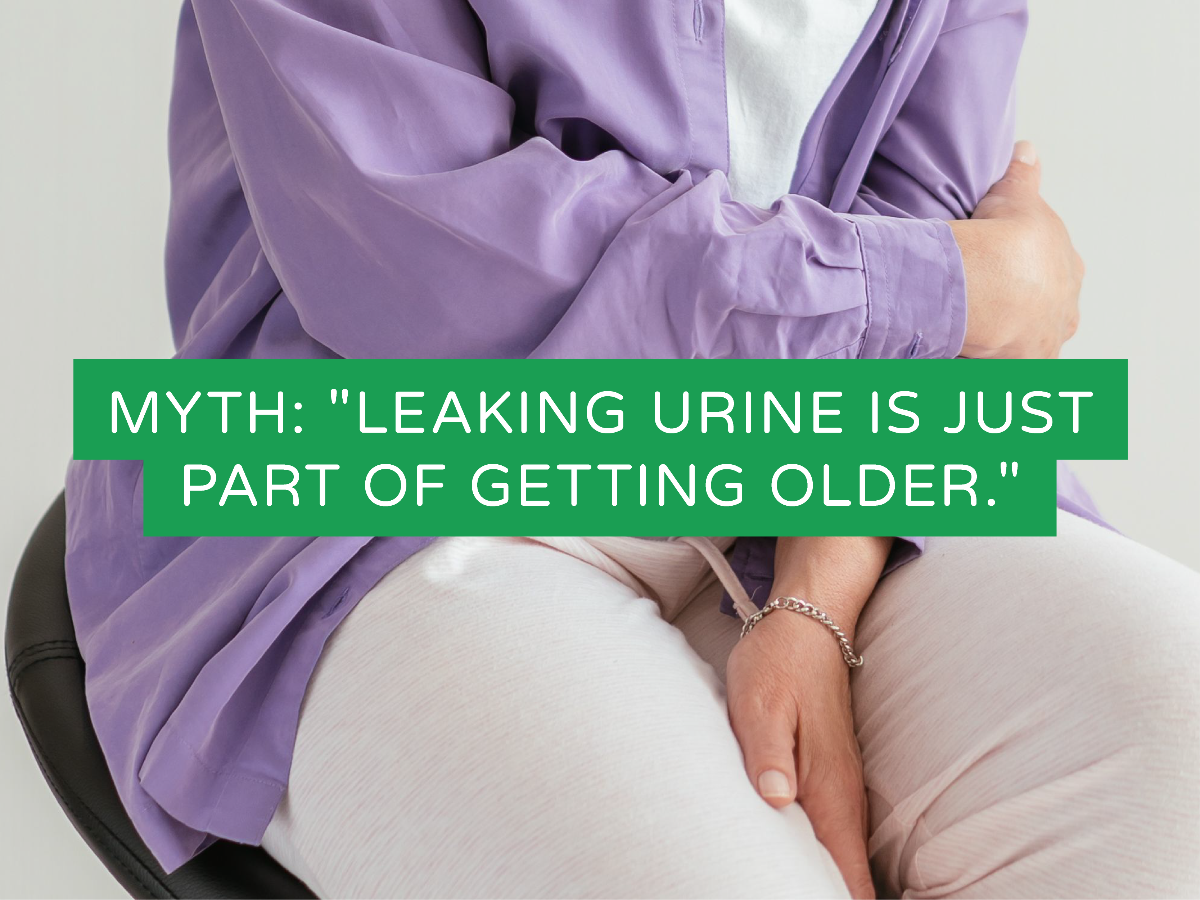
“MYTH #2: “Leaking urine is just part of getting older.””
Have you ever laughed a little too hard, sneezed unexpectedly, or rushed to the bathroom thinking, "Well, I guess this is just what happens when you get older"?
Not so fast.
While bladder leakage does become more common with age, it's not something you have to simply accept. Common and normal are not the same thing.
In fact, urinary incontinence affects millions of adults, but research shows that many people improve with conservative treatment. Bladder leakage can happen for a variety of reasons, including changes in pelvic floor muscle strength or coordination, hormonal changes after menopause, chronic constipation, certain medications, or simply years of repeated strain on the pelvic floor. The good news? Many of these factors can be addressed.
Your bladder and pelvic floor are a team, and like any team, they sometimes need a little coaching. Pelvic floor physical therapy can help improve muscle strength, coordination, breathing patterns, and pressure management—all of which play an important role in bladder control.
Treatment may include:
Pelvic floor muscle training tailored to your specific needs (not everyone needs more Kegels!)
Bladder training to reduce urgency and gradually increase the time between bathroom visits
Lifestyle strategies, such as managing constipation, maintaining a healthy fluid intake, reducing bladder irritants when appropriate, and learning healthy bladder habits
Medical treatments when needed, in collaboration with your healthcare provider
The bottom line? You shouldn't have to skip walks, avoid exercise, scout out every restroom, or wear "just in case" pads because you think bladder leakage is an inevitable part of aging.
If bladder leakage is affecting your daily life, don't brush it off. An evaluation by a pelvic floor physical therapist can help uncover the why behind your symptoms and create a personalized treatment plan. Aging is inevitable—living with bladder leakage doesn't have to be.